

General Motors Targets High End of 2026 Outlook, Sees Stronger Cash Flow in 2027
MarketBeat
公開日時: Sep 23, 2026, 06:03 PM GMT+9
Sentiment Analysis
General Motors remains on track to finish 2026 near the high end of its raised outlook, supported by resilient demand for trucks and SUVs, disciplined inventory management, and below-industry discounting. The company expects substantially stronger cash flow in 2027 as EV restructuring payments decline and benefits emerge from improved EV profitability, lower warranty costs, new truck launches, and digital revenue growth.
GM is maintaining its capital-allocation strategy, including business investment and share repurchases, while pursuing structural cost reductions, supply-chain resilience, and expanding higher-margin subscription services such as Super Cruise.
Chief Financial Officer Paul Jacobson said the automaker remains on track to finish 2026 near the higher end of its full-year guidance after raising its outlook twice this year, citing continued consumer resilience, disciplined inventory management, and a broad vehicle portfolio. Speaking with JPMorgan Head of U.S. Equity Research Rajat Gupta, Jacobson said GM is beginning its planning process for 2027 and expects several operational improvements to support earnings and cash flow beyond the current year. However, he cautioned that commodity costs, inflation, and geopolitical developments remain uncertain.
Jacobson highlighted GM’s improvement in free cash flow over the past decade. He said the company averaged approximately $3 billion in free cash flow during the first five years of that period and more than $10 billion during the last five years. GM has set annual capital spending around $10 billion to $12 billion, according to Jacobson, while maintaining a capital-allocation framework centered on investing in the business, preserving a strong balance sheet, and returning capital to shareholders. He said GM’s pension plan is close to fully funded, its credit metrics have a generally positive bias from rating agencies, and its debt levels are healthy.
The company has retired more than 37% of its shares outstanding since 2013, Jacobson said. He added that GM remains committed to repurchases as long as it continues to see a double-digit free-cash-flow yield and what it views as a low valuation multiple. “We trade at a discount to many of our peers who are underperforming,” Jacobson said, adding that GM believes its more consistent operating performance and efforts to reduce cyclical volatility should support a higher multiple over time.
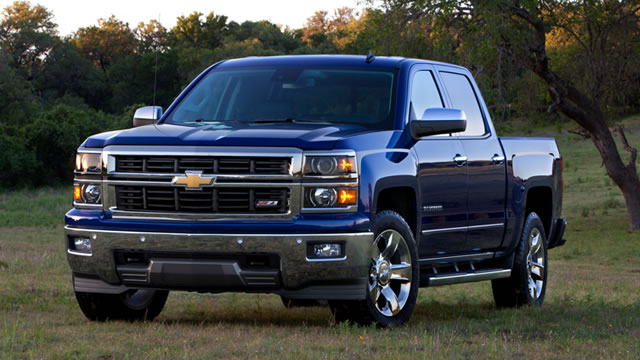
Jacobson said consumer sentiment surveys have diverged from actual purchasing behavior in recent years. While sentiment has been weak, he said GM continues to see stable demand for full-size trucks and SUVs, consistent market share, and resilient customer finances. GM Financial, which Jacobson said has a $125 billion balance sheet, provides the company with visibility into delinquency and default trends. He said those indicators have largely normalized around pre-COVID levels and have not materially changed in a way that raises immediate concern. He said the company is focused on avoiding heavy discounting to chase incremental volume. GM has maintained discounting that is roughly 150 to 250 basis points below the industry average while retaining share, he said. The company expects its new full-size pickups to reach showrooms toward the end of 2026.
Source: MarketBeat
個別の投資に関する推奨やアドバイスを提供することを意図しておりません。ここで述べられている意見や見解は、あくまでも各記事の個人的見解です。